How Space Planning and a Floor Plan Can Increase Workplace Performance
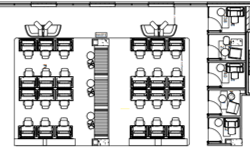
A floor plan is more than measurements or how many workstations can fit into one room, it’s a way to create an elevated environment that produces productivity. In modern workplace interiors, having a tailored floor plan can be a beneficial tool for a company by representing workplace culture and inspiring performance.
What is a Floor Plan’s Importance?
A professional floor plan is important because it is designed with many considerations for the workplace in place. Maddie Kranda, Interior Design Manager at LERDAHL, says, “I can’t use a plan that I’ve done for somebody else before. The whole point of what we do is to learn about what you need and then translate that into the plan. Almost every decision we make is unique to that company and the space”. A workspace needs a layout that reflects the company, and at the same time maximizes performance and workflow.
Performance Maximization
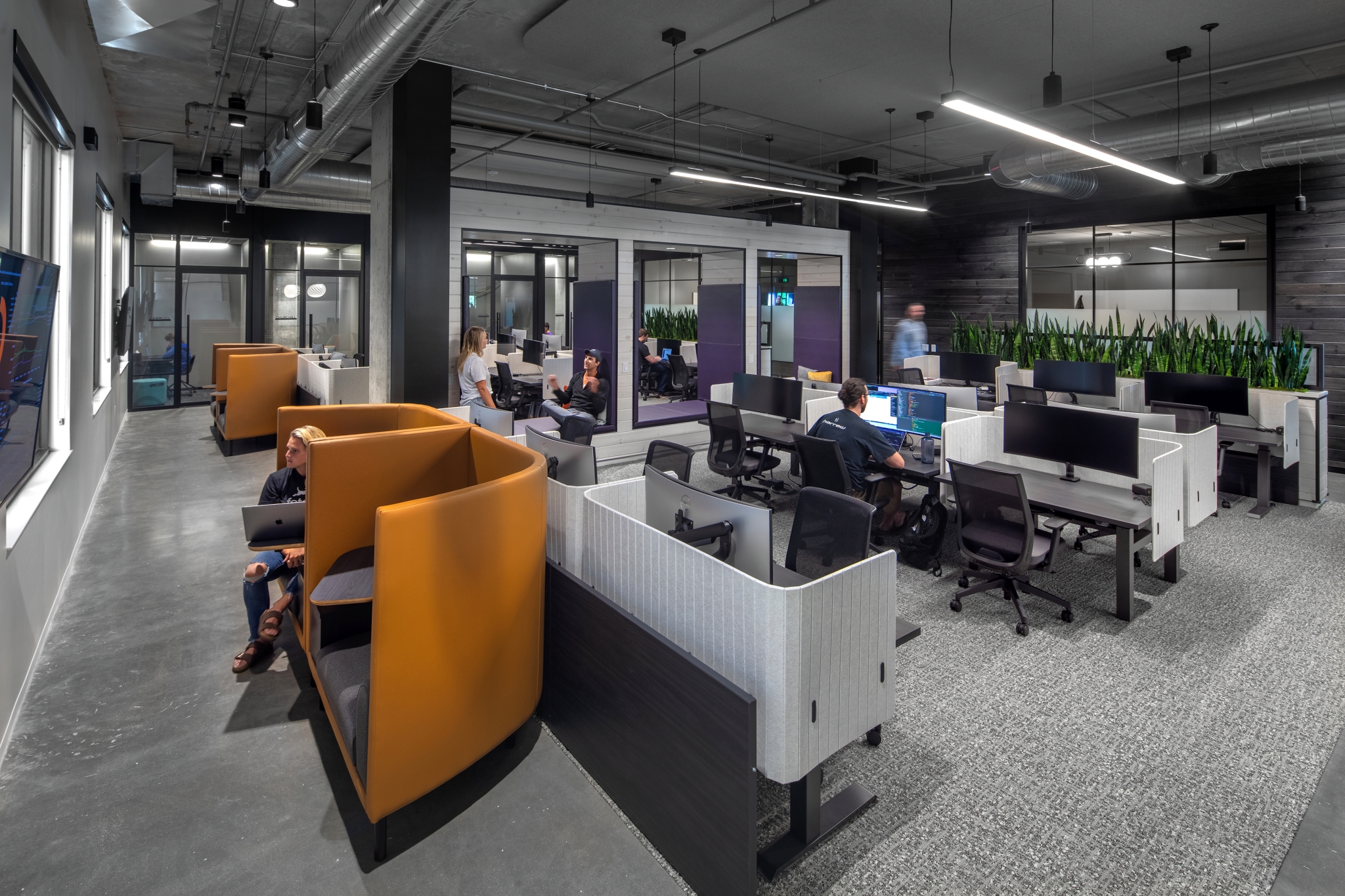
Maximizing performance and efficiency is unique and looks different for each company. In LERDAHL’s discover phase, we will ask what your idea of an ideal workflow is and what the goals are for the space. By learning what that means for your workplace, we can then implement that into the space plan. That could mean more private workstations to limit interruptions, or an open, visible floor plan that requires more collaboration and a team setting.
The overall flow of the workspace can impact traveling, sight lines, or noise levels. Sight lines refer to the space or object that an employee is viewing. In a workplace, this could be a monitor, a person, a window, etc. Noise levels are important to consider when planning as high noise areas and focus areas shouldn’t be directly adjacent to avoid interruption. Another solution to unwanted noise would be sound masking with an engineered background sound that would lower distractions.
Purpose in Every Detail
Maddie says, “there’s all kinds of little impacts that decisions make, but that’s our job to worry about; we just want to understand what [our clients] need, and then we can guide [them] through the pros and cons of each thing”. After our team uncovers a workplace’s need, we work with the client as a team to create a floor plan using their input and our experience. Designers collaborate to discuss the pros and cons of each design choice and how they impact the workplace, so the client can make an informed decision.
Importance of Keeping Collaborative Areas and Focus Areas Separate
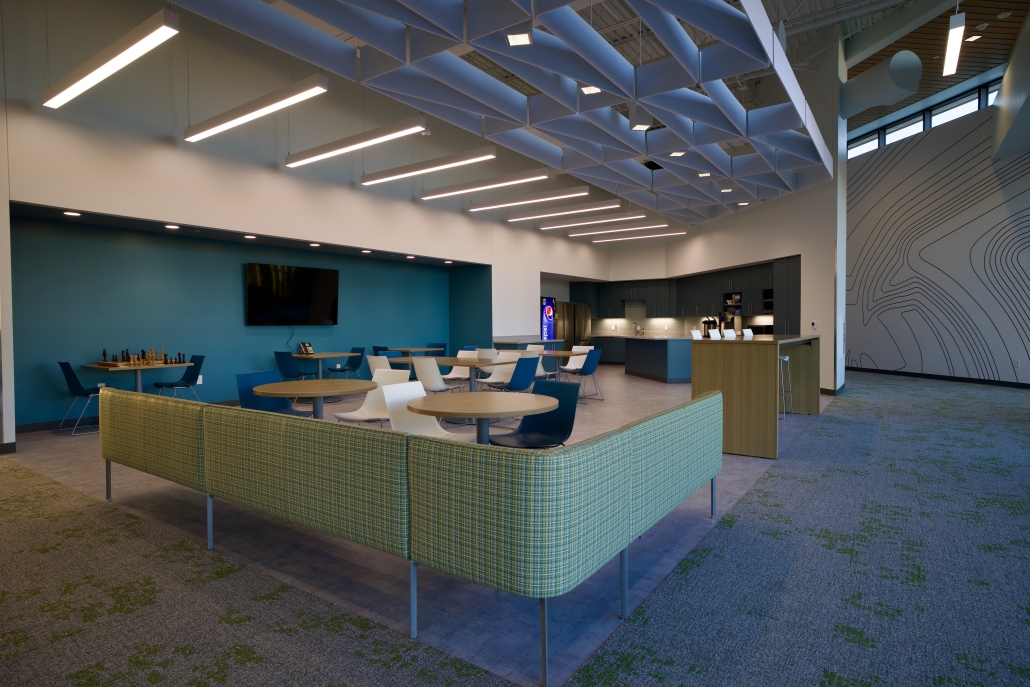
In a world that keeps changing, floor plans are no exception. Workplaces have experienced a dramatic change in scenery. Break rooms used to be an area designed for eating, socializing, and watching TV. Modern collaborative areas can look like a conference table, an impromptu hallway conversation, or the phone in your pocket. Designers understand that the present requires multiple collaborative areas to benefit employees. When creating a space plan, designers strategically place collaborative areas and focus areas apart to maximize productivity. This is why they look at the wholistic space and design areas that heighten either focus or communication.
Separating You from Competitors
Thoughtful workplace design can help set your business apart. An intentionally planned space with modern, functional furnishings creates an environment where people want to work. It supports your company culture, helps attract and retain top talent, and gives your team the tools they need to do their best work every day.
Designed for the Way You Work
A well-designed floor plan does more than organize a workplace. When every space is planned with purpose, your workplace becomes a reflection of your culture, supports the way your team works, and adapts as your business evolves. At LERDAHL, we believe the best workplace interiors start with understanding your goals and designing around the people who use the space every day. The right floor plan isn’t just about where things go, it’s about creating a workplace where your people and your business can thrive.
About the Author