Belonging: How Strategic Workplace Interior Design Can Make a Difference
Causes of Workplace Belonging: How Inclusion, Trust, and Shared Values Shape Employee Experience
Belonging is a fundamental human need that directly affects physical and mental well-being, so it makes sense to intentionally build it into the workplace, where we spend a significant portion of our time each day. When people feel a sense of belonging, they are more likely to feel grounded, supported, and able to contribute fully to their work and the people around them.
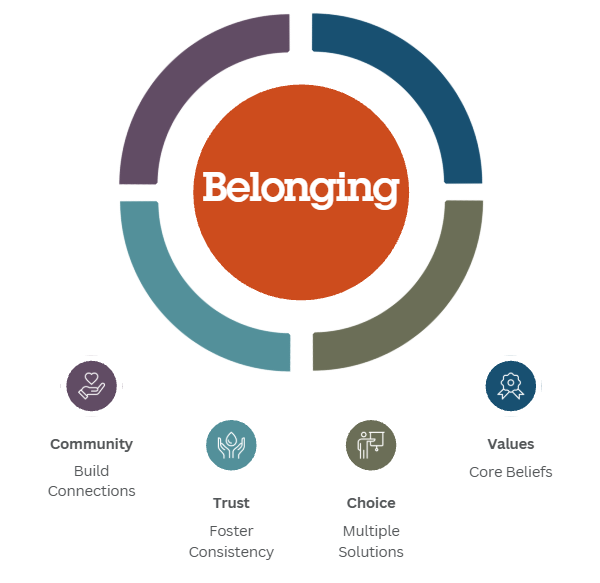
Inclusion is one of the large pieces that creates a sense of belonging, and that includes appreciating unique perspectives, offering options, and sharing values in a way that feels visible and consistent throughout the environment, giving choice in space types, and building trust. Together, these elements help shape a workplace where people not only work side by side, but also feel genuinely connected to the space and to each other.
Effects of Workplace Belonging on Employee Productivity, Engagement, Retention, and Long-Term Organizational Growth
A sense of belonging at work can lead to many positive outcomes. LERDAHL Interior Designer, Libby Lysne, said, “Employees feel included. They feel like they enjoy coming to work. That in turn makes them more productive.” For organizations, a stronger sense of belonging can also contribute to higher employee retention, fewer sick days, and greater long-term growth. When people feel supported and can do their best work, productivity follows.
Visual Storytelling (Values and Goals)
Visual storytelling is one way companies can bring their values and culture into the workplace. Some companies might do this through specific colors, an overarching design theme, or a hallway that tells the story of the company’s history. These elements help a space feel connected to the organization and the people within it.
Libby explains, “I think visual storytelling gives employees and clients or guests like a quick understanding of who the organization is and what their values or goals are in a way that’s easy to understand. And then I think that too can spark like the emotional connection or the sense of belonging if you resonate with their values.”
A Welcoming Entrance Is Like a Good First Impression (Trust)
The entrance is the first thing employees, clients, and guests experience when they walk in, so its importance shouldn’t be overlooked. “It’s the first impression. Employees, clients, or guests that are coming to visit, they want to feel welcomed and they want to feel that it’s authentic to whatever they know about that company and their culture.”
To build trust with the people who enter your space, the entrance, lobby, or reception area should authentically reflect your company. A first impression can be lasting, making the entrance an important opportunity to establish trust and communicate who you are from the beginning.
The Option to Choose (Choice)
When planning for comfort in workplace seating, it can become a Goldilocks and the Three Bears dilemma. Is it too comfortable or too firm? Too high? Too low? The answer depends entirely on the person using it.
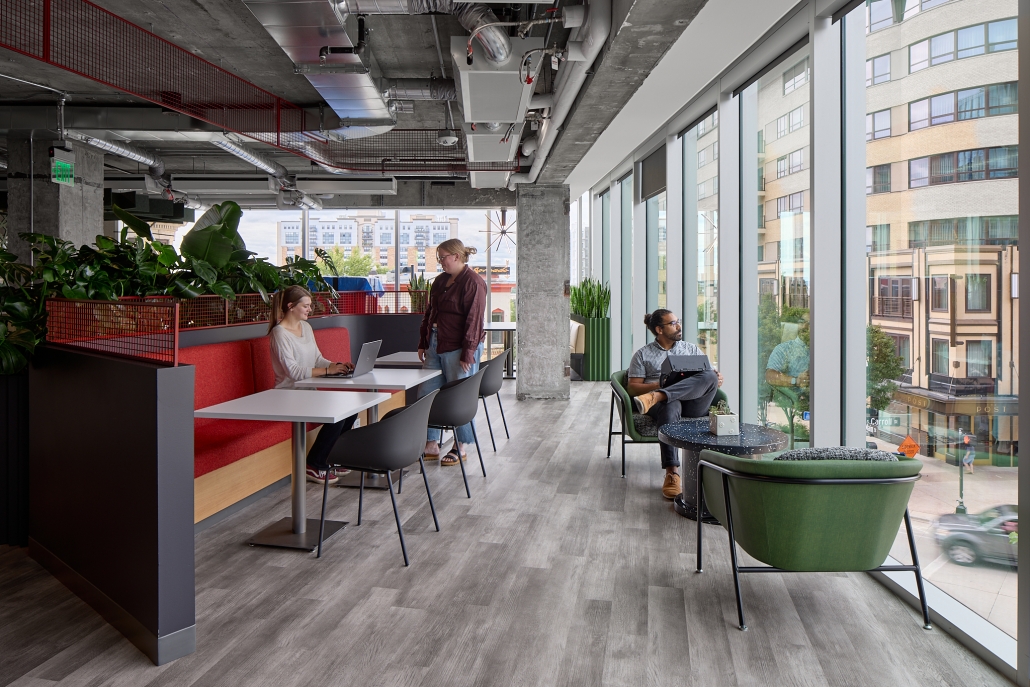
The best chair for employees may actually be multiple chairs. By including a variety of seating and settings throughout the workplace, people have options and can choose what works best for them and the work they’re doing. “They’ll naturally gravitate towards their favorite things and go back to those time and time again.” Libby noted, “which is why you give the option.”
A Space That Fosters Community Is a Competitive Advantage (Community)
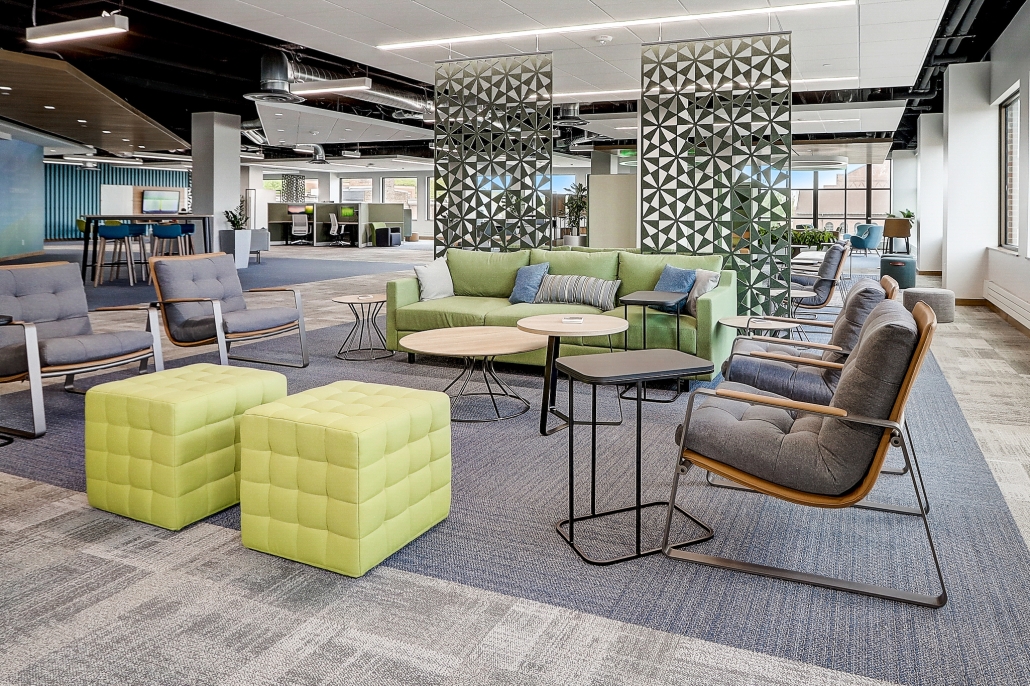
A space can’t create belonging without the people in it. By intentionally creating opportunities for connection through workplace design, businesses can strengthen their internal community.
Libby states, “So just kind of intentionally making small spaces like that for people to run into each other and just say, hey, let’s sit down for two minutes is a good way to encourage that to happen.”
Employees with entirely different roles might otherwise rarely cross paths. Creating smaller, informal opportunities to connect can encourage conversations that may not have happened otherwise. Over time, those interactions can strengthen relationships, build community, and even lead to new ideas and innovation.
Designing for Belonging in the Workplace
Simple changes to the workplace can make a meaningful difference in an employee’s sense of belonging. People are different, and the spaces they work in should support those differences. By offering choice, creating opportunities for community, building trust, and expressing shared values throughout the environment, organizations can create workplaces where people feel connected, supported, and able to do their best work.
About the Author